





Yes, a beginner can climb Kilimanjaro. On the standard trekking routes you don't need mountaineering experience, ropes or technical skills. But beginner friendly is not the same as easy, and I can say that with some confidence, because on 29 July 2026 I stood on Uhuru Peak myself.
I run Viaggio Tanzania from Arusha, and for a long time I planned Kilimanjaro trips for other people. Climbing it changed how I talk about it. I don't just know the mountain from itineraries or from selling the experience to clients. I know what it actually demands from the person walking it.
This is what I'd tell a friend who asked me whether they could do it.
What climbing Kilimanjaro is really like
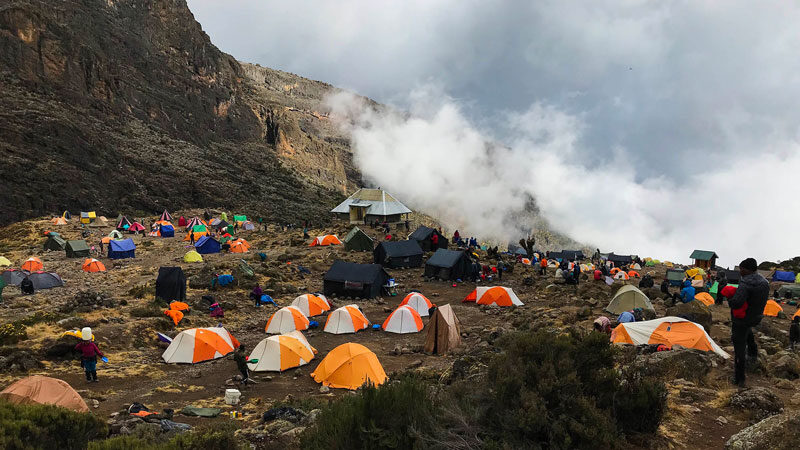
My climb took seven days. Most of the mountain is long, steady walking, and the early days can feel more manageable than you expect. That feeling is misleading. The higher you go, the more the altitude changes everything.
Summit night is the hardest part
We started the final push around midnight. The cold, the darkness, the altitude and the exhaustion made every step difficult. There were moments when I honestly questioned whether I would make it to the top.
The hardest point came when I was already extremely tired and still had a long way to go. At that stage it stopped being physical and became mental. I stopped thinking about the summit and focused on one thing: the next step.
Standing on Uhuru Peak
When I finally reached Uhuru Peak, 5,895 metres above sea level, I felt relief, happiness and disbelief all at once. After everything my body had gone through, standing at the highest point in Africa was an incredible feeling. It is also the moment I understood what my clients are really signing up for.
Do you need experience to climb Kilimanjaro?
No. You don't need technical climbing experience. What you do need is the ability to keep walking for long periods, the patience to let your body adjust to altitude, and a mind that is ready for the hard moments.
I didn't try to become extremely fit before my climb. I focused on endurance and on getting comfortable with long hours on my feet. Kilimanjaro is not a mountain where you can rely only on strength.
How to prepare for Kilimanjaro as a beginner
Build endurance, not just fitness
Long, steady walks will prepare you better than short, intense workouts. The goal is to be comfortable walking for hours, day after day, without your body or your motivation falling apart.
Prepare your mind as seriously as your body
There are moments on Kilimanjaro when your mind tells you to stop. If you have never thought about how you will handle that, it will catch you off guard. Accept before you arrive that you will be tired, cold and uncomfortable at times, and decide how you will handle it. Feeling unwell at altitude is different: tell your guide straight away.
Choose a route that gives your body time
For beginners, I strongly recommend a route and itinerary that gives your body enough time to acclimatise. Don't choose the shortest or the cheapest option just because it fits your calendar or your budget. Extra days on the mountain are not a luxury. They are what give you a real chance at the summit.
The advice most Kilimanjaro guides leave out
Don't judge the climb by the first few days
Feeling strong on day one or two tells you very little. You can be physically fit and still struggle if you go up too quickly or ignore what your body is telling you.
The basics decide your summit
- Go slowly, even when you feel you could go faster.
- Drink enough water throughout the day.
- Eat, even when you don't feel like eating. Altitude kills your appetite, but your body still needs the fuel.
- Listen to your guides. They have seen what happens to climbers who don't.
Expect the moment you want to quit
At some point you will probably be tired, uncomfortable and wondering why you are doing this. If you expect that moment, you will be far better prepared to work through it. Just know the difference between being tired and being unwell, and tell your guide if it is the second.
Kilimanjaro gear checklist
You don't need the most expensive gear. Comfort, warmth, waterproofing and properly broken-in footwear matter far more than premium brands. And please don't arrive with brand-new hiking boots. You don't want to discover blisters halfway up the mountain.
Footwear
- Comfortable, broken-in hiking boots
- Good hiking socks
- Spare socks
Clothing
- Moisture-wicking base layers
- Warm fleece or mid-layer
- Insulated jacket
- Waterproof and windproof jacket
- Hiking trousers
- Warm trousers for summit night
- Thermal underwear
- Warm hat or beanie
- Sun hat or cap
- Gloves
- Warm summit gloves
Rain and weather protection
- Waterproof jacket
- Waterproof trousers
- Backpack rain cover
Sleeping and camp
- Warm sleeping bag suitable for Kilimanjaro temperatures
- Sleeping bag liner (optional, but useful)
- Headlamp and spare batteries
Backpack and essentials
- Comfortable daypack
- Duffel bag for your main gear
- Water bottles or a hydration system
- Sunglasses
- Sunscreen
- Lip balm with SPF
- Personal toiletries
- Small personal first-aid and medication kit
- Walking poles (optional, but very useful)
Summit night essentials
- Your warmest layers
- Thermal base layers
- Insulated jacket
- Waterproof outer layer
- Warm gloves
- Warm hat
- Headlamp
- Extra water
- High-energy snacks
Don't underestimate the cold or how quickly the weather changes. Summit night is where you will be glad you packed every warm layer on this list.
Who should think twice before climbing Kilimanjaro
I won't tell everyone to climb Kilimanjaro just because it is on their bucket list. If you have serious medical or fitness concerns, get proper medical advice first and approach the climb differently. That might mean more preparation, a longer itinerary, or waiting until the timing is right.
The mountain will still be here. It is better to arrive ready than to arrive because a date was convenient.
Frequently asked questions
Can I climb Kilimanjaro with no hiking experience?
Yes. The standard routes are treks, not technical climbs. Prepare by building endurance with long walks and by getting used to spending many hours on your feet.
How many days should a beginner take to climb Kilimanjaro?
Enough to let your body acclimatise. My climb took seven days, and I would steer beginners away from the shortest itineraries.
What is the hardest part of climbing Kilimanjaro?
Summit night. You start around midnight in the cold and dark, at high altitude, already tired. It becomes a mental challenge as much as a physical one.
Do I need expensive gear to climb Kilimanjaro?
No. Warm layers, waterproofing, a good sleeping bag and broken-in boots matter far more than brand names.
Planning your Kilimanjaro climb
At Viaggio Tanzania, we plan Kilimanjaro climbs from Arusha, and I now plan them as someone who has walked the mountain myself. If you are thinking about Kilimanjaro, tell us your dates and how much hiking you have done, and we will help you choose an itinerary that gives you a real chance at the summit.
Message us on WhatsApp at +255 794 003 370 or get in touch through info@viaggiotanzania.com.