




Most people look at a safari quote and assume the operator keeps most of it. We don't. On our five-day Serengeti Classic, more than a quarter of the price goes to the Tanzanian government in park and conservation fees, before you've slept a single night or seen a single lion.
I run Viaggio Tanzania from Arusha, and “why is it so expensive?” is one of the questions I hear most. So here is the honest answer, using a real trip we sell: five days, two people, a private vehicle, high season, $2,690 per person.
Where the money goes on a five-day Serengeti safari
- Park, conservation and crater fees: about $726 per person (27%)
- Vehicle, driver-guide and fuel: about $625 per person (23%)
- Accommodation, full board: about $620 per person (23%)
- Water, transfers and small extras: about $50 per person (2%)
- What stays with the operator: about $670 per person (25%)
Park and conservation fees: 27%
This is the part most travellers don't see coming. These fees are set by the government, not by us:
- Tarangire National Park: $59 per person per day.
- Ngorongoro Conservation Area: $70.80 per person for every 24 hours. On this route you pay it three times, because the road to the Serengeti runs through the conservation area.
- Serengeti National Park: $82.60 per person per day.
- Serengeti concession fee: $70.80 per person per night when you sleep inside the park, on top of the camp's own rate.
- Ngorongoro Crater service fee: $295 per vehicle for one descent, shared by everyone in the car.
Vehicle, driver-guide and fuel: 23%
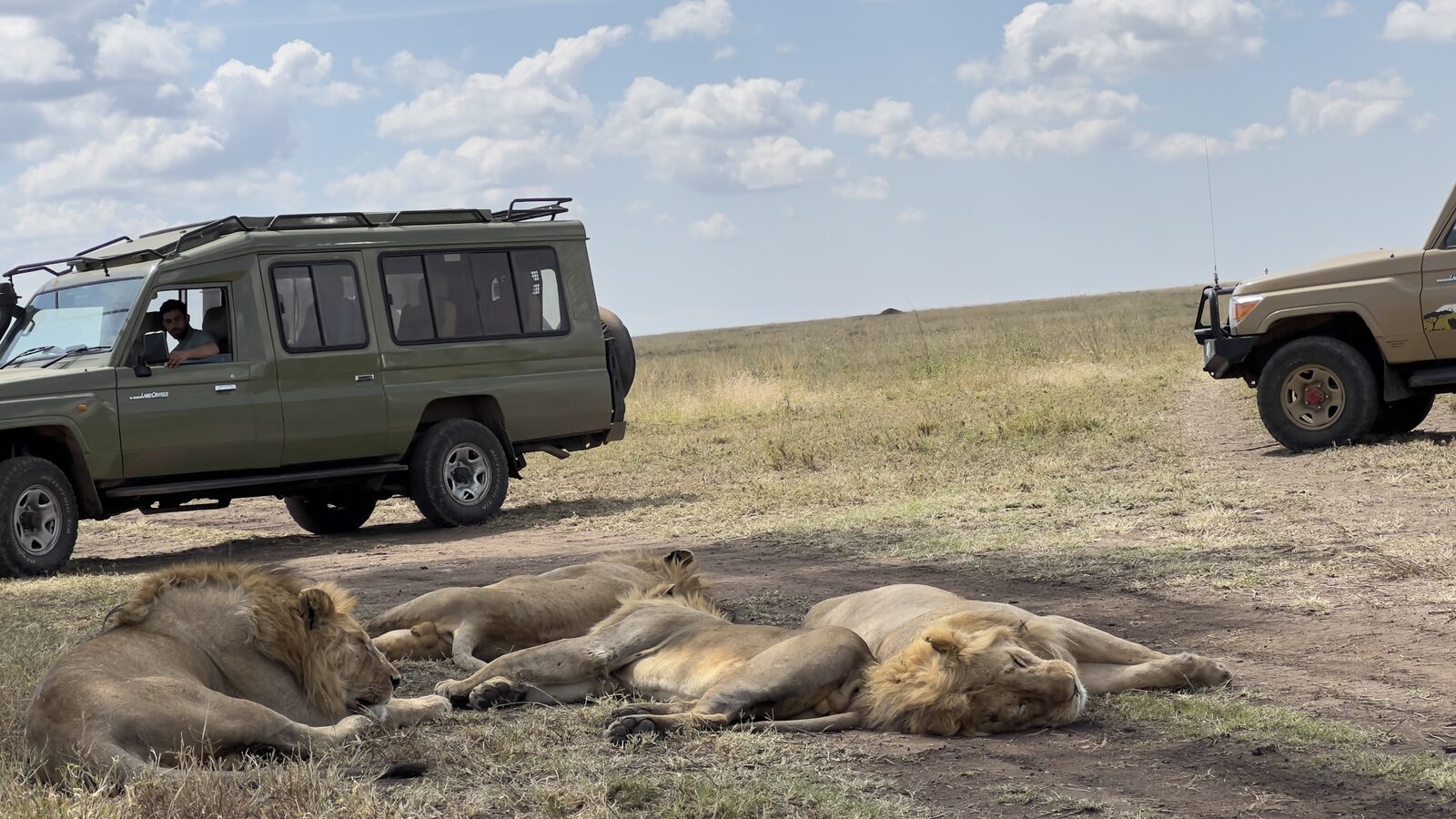
A safari Land Cruiser with a professional guide costs roughly $200 to $250 a day. That covers hundreds of kilometres of rough road and a guide who stays with you from pickup to drop-off. The guide is the person who finds the animals, reads the park and keeps you safe, so this is not the line to cut.
Accommodation: 23%
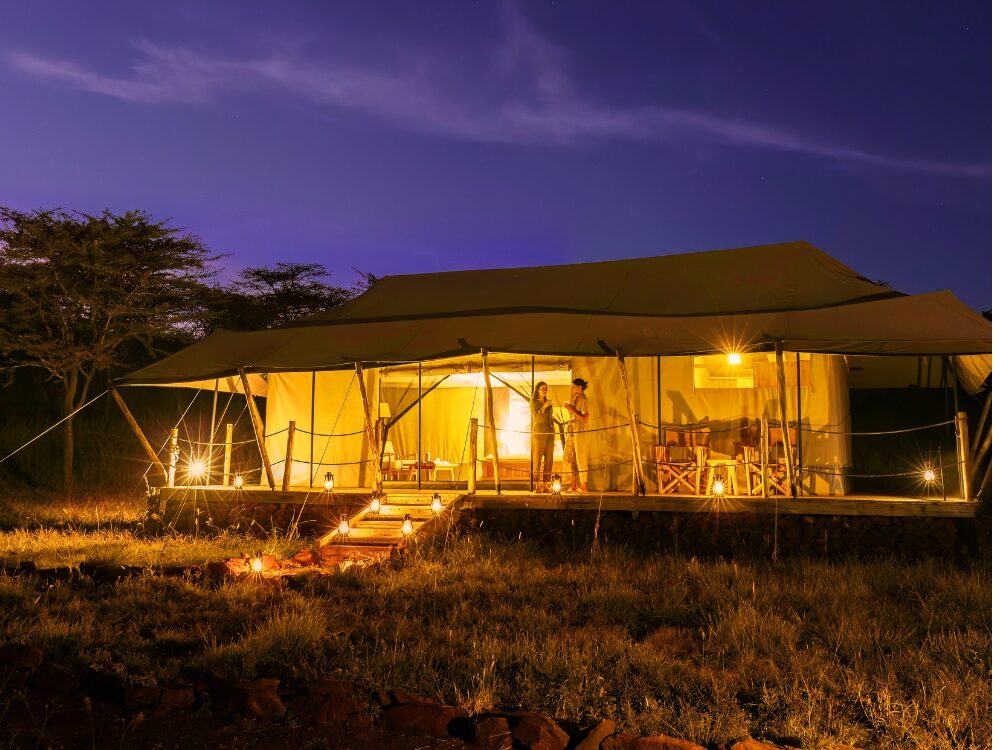
On this trip that means two nights in Karatu and two nights in a tented camp inside the Serengeti, with all meals included. Sleeping inside the park costs more, but it puts you where the wildlife is at dawn instead of driving in from outside.
What the operator keeps: about 25%
This pays for licences, marketing, card fees, insurance, being reachable while you are out in the bush, and fixing things when they go wrong. Profit comes after all of that, not before it.
Why some safari quotes are much cheaper
Park fees are fixed and charged per person per 24 hours, so no operator can discount them. If one quote is far below everyone else's, something has been cut. Common examples:
- Camping or staying outside the parks instead of inside them
- A shared vehicle instead of a private one
- Less time in the Ngorongoro Crater
- Park and conservation fees left out of the headline price
Group size changes the price
Some costs are charged per vehicle, not per person. The crater fee, the vehicle and the guide are split across everyone in the car. The same five-day trip for four people drops to about $2,250 each.
Season mostly changes the accommodation
The park fees don't move with the season, but lodges and camps do. The same Serengeti camp costs about $160 a night in high season and about $120 in low season.
What I told a client comparing us with a cheaper quote
A lead who found us on TikTok once came back with a safari offer that was much cheaper than ours. My first move wasn't to defend our price. It was to look at what each quote actually included, because two prices can look like the same trip when they are very different trips.
This is the checklist I use, and the one I'd encourage you to use with any quote:
- How many days, and which parks?
- Are park and conservation fees included?
- Which accommodation, and is it inside or outside the parks?
- Is the vehicle private or shared, and what type of vehicle is it?
- Who is the guide?
- Which meals are included?
- Are airport and hotel transfers included?
- Are there any additional fees not shown in the headline price?
Sometimes the cheaper price is perfectly legitimate, because the company is using different accommodation or a different setup. If another offer gives you the same experience for less, I have to respect that. But sometimes the gap comes from costs that simply aren't in the first price you see, and I want you to know that before you decide.
That experience taught me something about how I want to sell. I don't want to win a client because I gave them the cheapest number. I want them to understand exactly what they are buying. Transparency matters more to me than looking cheap.
Frequently asked questions
How much does a Tanzania safari cost per day?
It depends on the parks, the season, the accommodation and how many people share the vehicle. Our five-day Serengeti Classic works out at about $540 per person per day for two people in high season, with park fees making up more than a quarter of that.
Can a safari company discount the park fees?
No. Park and conservation fees are set by the government and charged per person per 24 hours. Any discount has to come from somewhere else in the trip.
Is a safari cheaper if more people travel together?
Yes. The vehicle, the guide and the crater fee are shared across everyone in the car, so the price per person drops as the group grows.
Is a cheap safari always a scam?
No. A lower price can reflect simpler accommodation or a shared vehicle. The important thing is to know exactly what is included before you pay.
Planning your safari budget
If you have a quote in front of you and want to know what is behind the number, send it to us. We will compare it line by line with what we would offer, and tell you honestly if the other one is the better deal.
Message us on WhatsApp at +255 794 003 370 or get in touch through info@viaggiotanzania.com.